This trip isn’t about the sights; it’s about the produce. And it begins with a question nobody ever asks: why did cassoulet originate here, of all places? The answer lies in three factors, all of which are less than 15 minutes’ drive from Le Clos Fleuri.
Why here?
- The bean. The Lauragais is a cereal-growing plain with deep clay-limestone soil, and the lingot bean finds exactly what it needs there. Without it, there would be no cassoulet.
- The duck. The Montagne Noire, 25 minutes away, is a region of livestock farming, forests and chestnuts. The confit and the magret come from there.
- The land. The cassole — the conical earthenware dish that gave the dish its name — has been made for centuries in Issel (9.8 km, 11 mins) and Mas-Saintes-Puelles (9.2 km, 14 mins). This is no mere decorative detail: the flared shape maximises the surface area of the crust, and the porous earthenware regulates the slow cooking process.
It is no coincidence that cassoulet originated in Castelnaudary. It came into being at the meeting point of a bean-growing plain, a mountain teeming with ducks and a clay basin. You can visit all three in a single day.
The structure
| Day | Theme | Section |
| 1 | Cassoulet and its three main ingredients | 15 mins |
| 2 | Wines: the dividing line | 25–40 mins |
| 3 | Producers and the season | 15–30 mins |
Day 1 — Cassoulet, from the soil to the plate
Morning — Castelnaudary market (1.6 km, 3 mins)
This is where the Lauragais region really comes into its own: Lingot beans, garlic, local honey, sheep’s and goat’s cheeses, artisanal charcuterie, poultry, and seasonal fruit and vegetables.
What to buy: the Lauragais lingot bean — the one used in cassoulet; it keeps well and is easy to transport. Honey, olive oil, and, in season, Lauragais saffron, a small-scale but very real production, at prices a world away from those in the supermarkets.
Parking is more difficult on market days. Walk from the hotel.
11.00 am — Issel and Mas-Saintes-Puelles (11 and 14 mins)
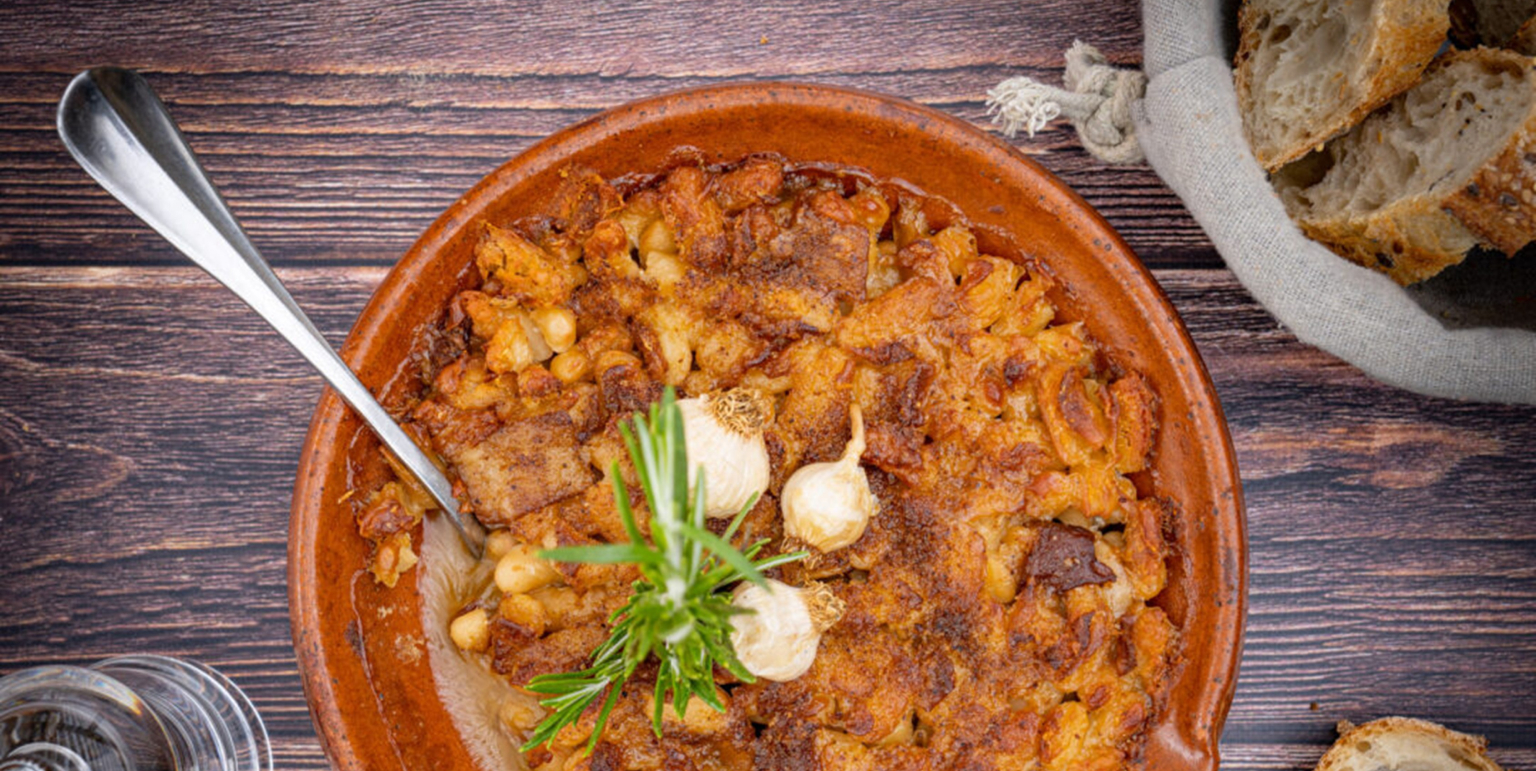
The villages of the cassole. It’s the ingredient people tend to forget, yet it’s the one without which the dish simply wouldn’t exist: the porous terracotta regulates a slow cooking process that nothing else can replicate, and the flared shape maximises the crust — the one that, according to tradition, must be pressed down seven times.
Pick one up. You won’t be able to make a proper cassoulet at home without it.
12.30 pm — Cassoulet, two hours
The Chaurien cassoulet: Lauragais lingot beans, duck confit, sausage, pork rind, pork cuts, slow-cooked in a cassole.
At the Restaurant du Clos Fleuri, it’s made from scratch, and the duck comes from a producer in the Montagne Noire — the very same region you’ll see on Day 2. The dishes are prepared with fresh produce from the day’s market, sourced from local artisans.
It’s best served with a red wine from Cabardès or Malepère — the two nearest appellations.
What you need to know: this isn’t a dish you can rush. It takes two hours and a quiet afternoon. Cassoulet is a dish for winter and rainy days; in the midst of an August heatwave, it’s a challenge.
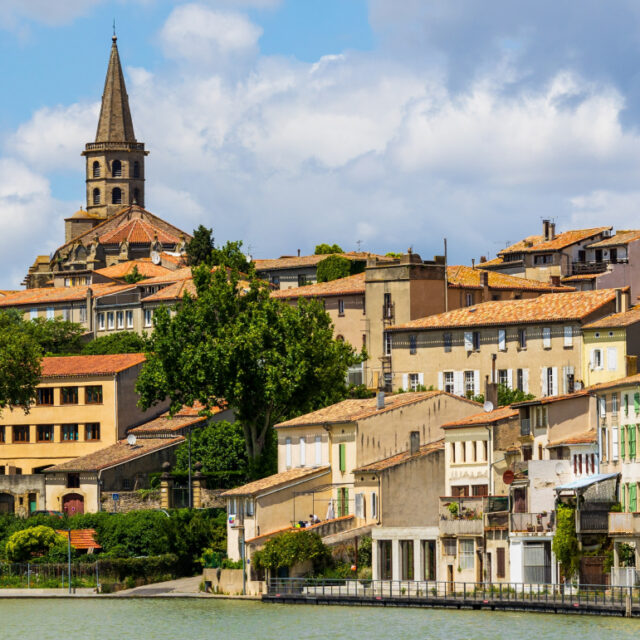
4 pm — Le Grand Bassin (3 mins), to help with digestion. 2.5 km on flat ground. You’ll need it.
Day 2 — Wines and the watershed
Today’s idea: Castelnaudary sits on a climatic boundary, and you can taste it.
The Naurouze threshold (15.3 km, 17 mins), at 189 metres, is the tipping point between Atlantic and Mediterranean influences. To the west, rain falls from the Atlantic. To the east, the climate is Mediterranean.
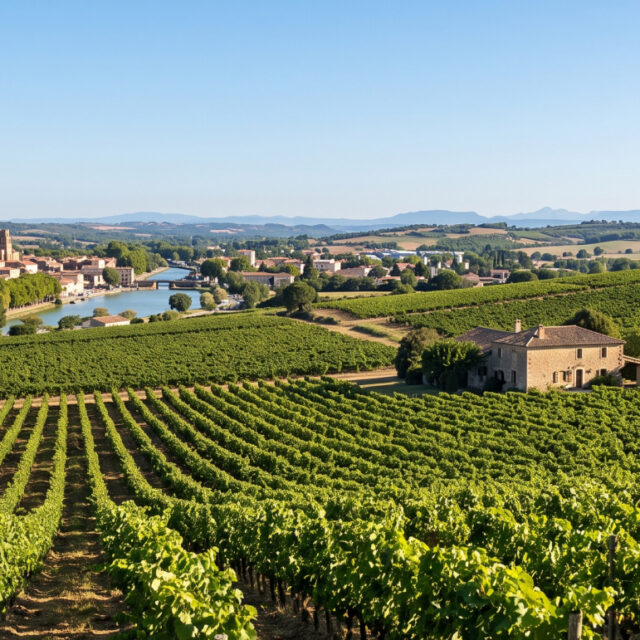
The result: within 60 kilometres, you go from the Merlot of the Malepère to the Syrah of the Corbières. And in between lies Cabardès, the only appellation in France authorised to blend the two grape varieties — a regulatory oddity that is simply a reflection of geographical reality.
Matin — La Malepère (25 to 35 mins). AOC since 2007, the nearest vineyard. Reds structured around Merlot, complemented by Cabernet Franc, Cot and Cinsault. Supple and easy to drink.
This is the obvious pairing for cassoulet: enough body to stand up to the confit, enough freshness to ensure the dish isn’t too heavy.
- Les Vignobles de Vendéole, in Arzens — ~25 mins
- Domaine Gayda, in Brugairolles — ~30 mins
- Château de Gaure, in Gaja-et-Villedieu — ~35 mins
Afternoon — Le Cabardès (30 to 40 mins). In the foothills of the Montagne Noire. The structure of Bordeaux, the fruit of Languedoc.
- Les Vignerons de la Voie Romaine, in Pezens — ~30 mins
- Cave des Oliviers, in Montolieu — ~34 mins
- Domaine de Cabrol, in Aragon — ~40 mins
The six rules of wine tasting: 1. Book in advance. These are small establishments and are not open all day. 2. A maximum of two estates per half-day. A proper visit takes between 1 hour and 1 hour 30 minutes. 3. Appoint a designated driver. Without exception: the roads in Cabardès are narrow and winding. 4. Don’t finish your glasses. There are spittoons – that’s what they’re for – and nobody will take offence. 5. A cool box is essential. A bottle left in the boot at 40 °C is a wasted bottle. 6. Ask for grape juice — many estates offer it to children and drivers.
If you have an extra day: Limoux (~50 mins) for Blanquette, which claims to predate champagne — Maison Guinot —, or the Minervois (~50 mins) for age-worthy reds — Château Tour Boisée in Laure-Minervois.
See The vineyards around Castelnaudary.
Day 3 — Winegrowers, depending on the season
The Lauragais region is not experienced in the same way in February as it is in August.
Spring: plant markets, early vegetables, asparagus, spring cheeses.
Summer: evening farmers’ markets in the villages — where you can dine at the producer’s table. It’s also the season for Sunday morning car boot sales. And every summer, Castelnaudary hosts a grand cassoulet festival, complete with a parade and a feast: the town is buzzing, and accommodation needs to be booked well in advance.
Autumn — the best season for food lovers. Grape harvests in Cabardès and Malepère, wine fairs, walnuts, chestnuts from the Montagne Noire, confits, foie gras. Lauragais saffron is harvested in October–November: a few producers open their doors to visitors during the flowering season. It’s a short, little-known event, and well worth a visit.
Winter — the real season. Foie gras markets in the villages: foie gras, duck breasts, confit, charcuterie straight from the producer, at prices a world away from those at supermarket festive sales. The black truffle is available at a few specialist markets between December and February.
And it’s obviously cassoulet season: a dish that was never meant to be eaten in August.
The dates of fairs, foie gras markets and festivals change every year. Check the Lauragais Audois Tourist Office for the programme for your week.
See Local markets and producers around Castelnaudary.
Shopping list
What to bring back from the Lauragais, in order of importance:
| Product | Why | Keeps for |
| Lauragais lingot beans | the ingredient you won’t find anywhere else | yes |
| Cassole d’Issel or Mas-Saintes-Puelles | without it, there’s no real cassoulet | indefinitely |
| Duck confit | Montagne Noire | yes |
| Lauragais saffron | limited production, exorbitant price | yes |
| Local honey | — | yes |
| Artisanal charcuterie | — | a few days |
| Rouge de Malepère or Cabardès | the perfect accompaniment to cassoulet | yes |
| Regional cheeses | sheep’s and goat’s milk | a few days |
| Walnuts, olive oil | autumn | yes |
A cool box is essential to keep food fresh, and don’t leave anything in a car in the sun.
Plan a balanced holiday
Three days of local specialities means three heavy lunches. Make up for it:
- Le Grand Bassin (3 mins): 2.5 km on flat ground, to be done every evening.
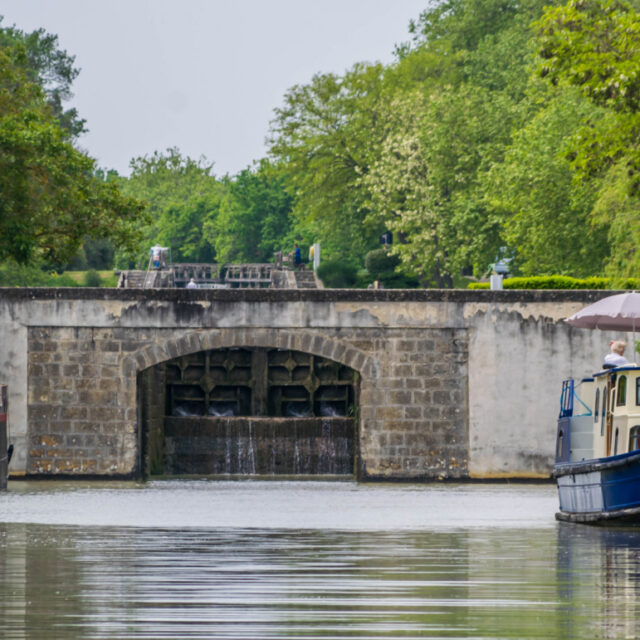
- The towpath (3 mins): flat, car-free, on foot or by bike.
- The Clos Fleuri swimming pool: on site.
- The Montagne water channel (34 mins): flat for kilometres, through the forest.
And mix it up: a cassoulet for lunch, a light dinner. Not the other way round.
Do you have any questions?
We’re here to help
Because three key ingredients come together here: the ‘lingot’ beans from the Lauragais plain, the Montagne Noire duck (25 mins) and the clay pots from Issel and Mas-Saintes-Puelles (11 and 14 mins).
The conical earthenware dish that gave the cassoulet its name. Made in Issel and Mas-Saintes-Puelles, its porous clay regulates the slow cooking process and its flared shape maximises the crust.
A red wine from Malepère (25–35 mins) or Cabardès (30–40 mins): structured enough to stand up to the duck confit, yet fresh enough not to weigh down the dish.
Autumn for the grape harvest, wine fairs, walnuts and saffron; winter for the ‘gras’ markets, black truffles and cassoulet — which was never meant to be eaten in August.
Lauragais ‘lingot’ beans, a cassole from Issel or Mas-Saintes-Puelles, duck confit, Lauragais saffron (in season), local honey and a red wine from Malepère or Cabardès.